

Investing in biodiversity: Why it matters for financial markets
Biodiversity is not just a concern for environmentalists—it’s a critical factor in the stability and growth of global financial markets. Over $44 trillion of economic value, more than half of global GDP, depends on nature and its services. As ecosystems degrade, industries like agriculture, forestry, fisheries, and supply chains face growing risks. For investors, this translates to financial losses, disrupted operations, and declining asset values.
Ignoring biodiversity in investment strategies can lead to misjudged risks and missed opportunities. Asset managers who proactively consider biodiversity can unlock long-term value, align with evolving regulations, and attract capital from sustainability-focused investors.
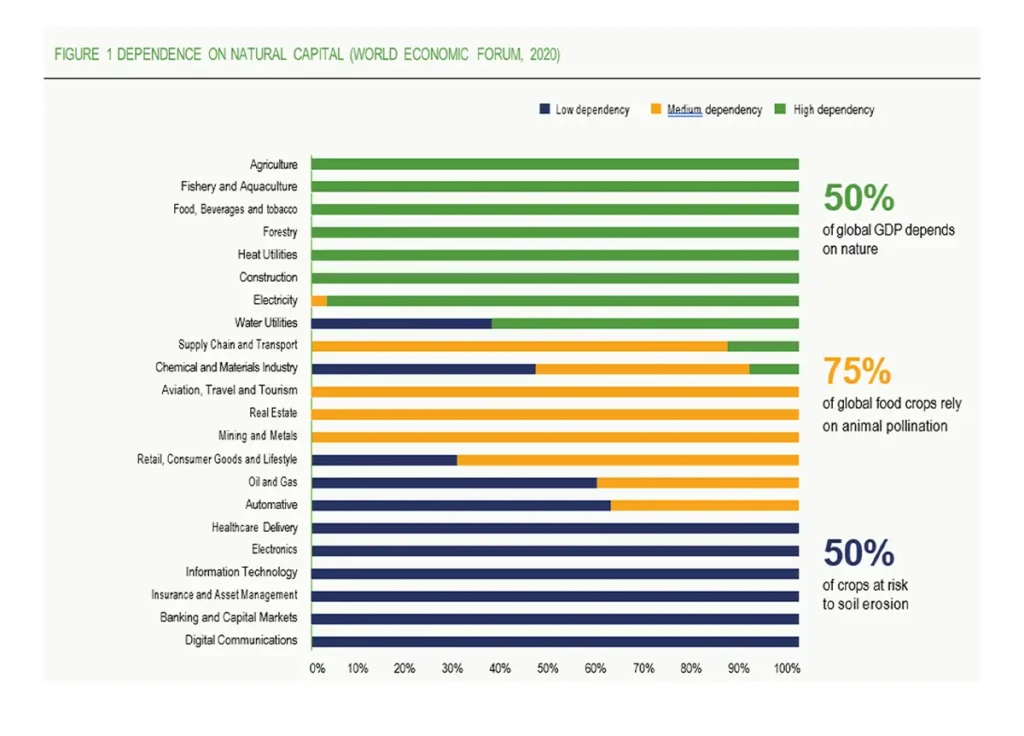
Why investors should care about biodiversity
Financial Risks
The loss of biodiversity poses direct financial risks to companies:
- Operational Disruptions: Industries such as agriculture, forestry, and fisheries lose an estimated $10 trillion annually due to ecosystem collapse.
- Regulatory Compliance Costs: Governments are enacting stricter biodiversity-related regulations, such as the EU’s Nature Restoration Law and the Kunming-Montreal Global Biodiversity Framework, requiring companies to restore damaged ecosystems and monitor biodiversity impacts.
- Reputation Risks: Consumers increasingly favor companies committed to sustainability, while firms that fail to address biodiversity risks face boycotts and negative publicity.
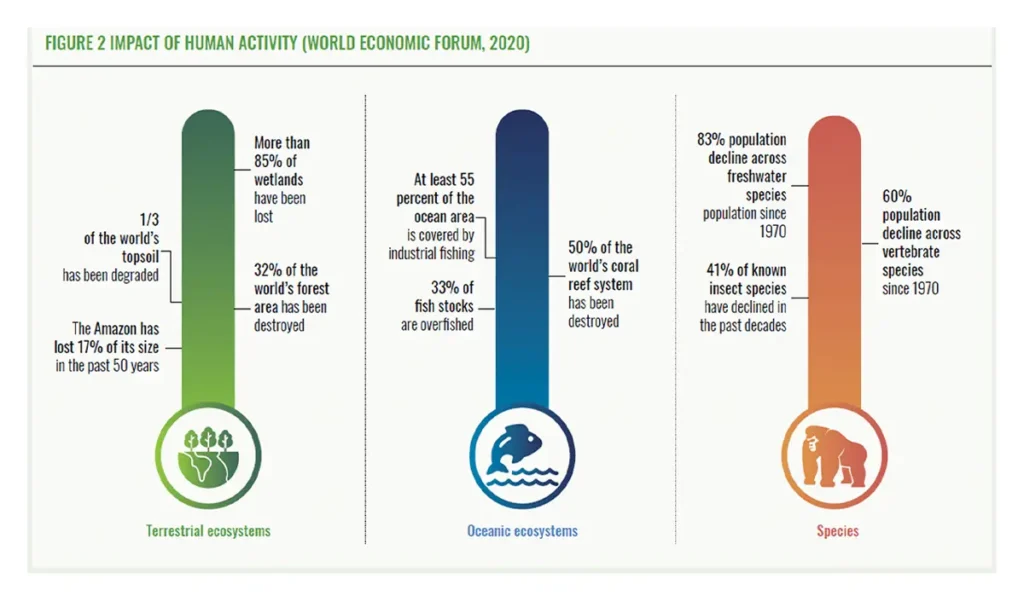
Financial opportunities
Conversely, companies that address biodiversity can realize tangible financial benefits:
- Increased Investor Appeal: Firms with strong biodiversity practices attract ESG-focused capital. For instance, ESG-related assets under management are projected to exceed $50 trillion by 2025.
- Revenue from Nature-Based Solutions: Companies involved in reforestation, wetland restoration, and carbon credit programs are seeing growing demand and profitability.
- Cost Savings: Sustainable supply chain practices reduce reliance on volatile resources, lowering long-term operational expenses.
Why biodiversity is key for asset managers
Asset managers must integrate biodiversity into their strategies for several reasons:
- Regulatory Alignment: The Taskforce on Nature-related Financial Disclosures (TNFD) is developing a framework to help companies and investors manage nature-related risks. Ignoring biodiversity could lead to regulatory non-compliance.
- Alpha Generation: Companies with strong biodiversity practices have outperformed peers by 3-5% annually.
- Portfolio Resilience: Biodiversity-focused investments reduce exposure to environmental risks while positioning portfolios for long-term returns.
Industries most at risk
Some sectors are more exposed to biodiversity risks than others:
- Agriculture: Pollinator loss threatens crop yields, valued at over $235 billion annually.
- Pharmaceuticals: Nearly 25% of all modern medicines are derived from natural sources, and biodiversity loss jeopardizes the discovery of new treatments.
- Insurance: Disasters linked to ecosystem degradation, such as floods and wildfires, cost insurers over $120 billion annually.
How biodiversity impacts financial markets
Historical resilience of biodiversity-focused assets
Long-term investments in biodiversity have proven resilient during economic crises. For example:
- The COVID-19 Pandemic: Companies with strong ESG strategies, including biodiversity, outperformed their peers during the market downturn.
- Ireland’s 100-Year Bond: The issuance of ultra-long bonds tied to biodiversity conservation attracted substantial investor interest, demonstrating confidence in sustainable financial instruments.
Emerging financial instruments
New tools allow investors to address biodiversity risks and opportunities directly:
- Green Bonds: In 2022, green bond issuances reached $500 billion, with many tied to nature-based solutions.
- Biodiversity Credits: These credits allow companies to offset their environmental impacts, creating new revenue streams for conservation projects.
How investors can take action
Integrating biodiversity into portfolios
Asset managers can assess biodiversity-related risks using tools like the ENCORE platform, which identifies how businesses depend on and impact natural ecosystems. The Taskforce on Nature-related Financial Disclosures (TNFD) also provides frameworks to measure and manage nature-related risks.
Active engagement
Investors can influence companies to adopt biodiversity-friendly practices by:
- Engaging in shareholder activism to demand biodiversity disclosures.
- Encouraging the adoption of science-based targets for nature.
Diversification with biodiversity assets
By investing in companies with nature-positive strategies, asset managers can hedge against biodiversity risks while generating returns aligned with sustainability goals.
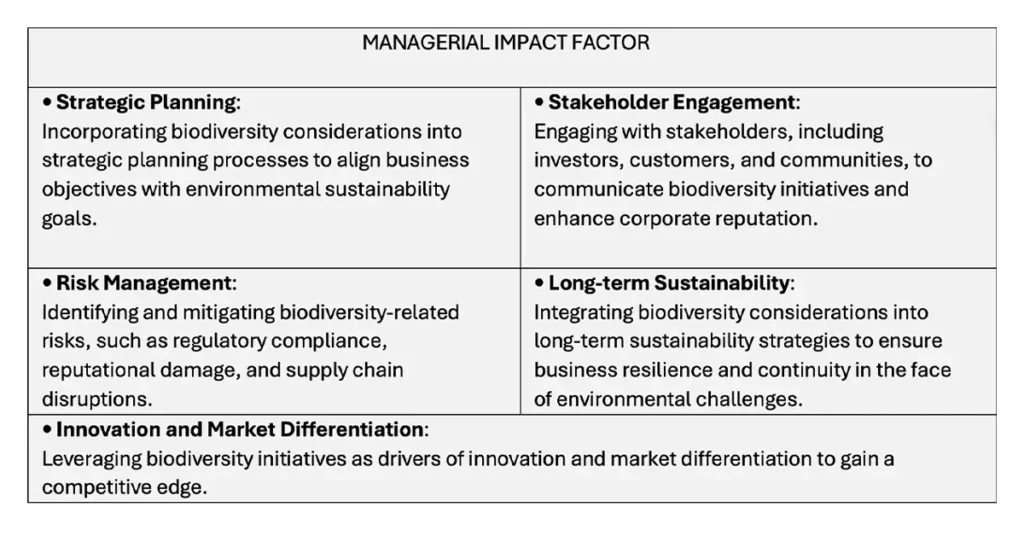
Looking ahead
Biodiversity is emerging as a critical factor in sustainable investing. As governments, consumers, and investors increasingly prioritize nature-positive strategies, integrating biodiversity into financial decision-making will become a necessity. For asset managers and asset owners, this is not just a trend but a long-term shift that will define the future of financial markets.
The risks of inaction are clear: increased operational costs, stranded assets, and diminished portfolio performance. However, for those who embrace biodiversity as part of their investment strategy, the opportunities for growth, resilience, and innovation are unparalleled.
Please click here to read the full report from E&M for references and a more detailed analysis of how biodiversity affects investment, written by Michele Calcaterra, Federico Colantoni, and Simone Sanesi.
Data technology & services
As the amount of data within the investment management industry continues to increase, and there is increasing demand from clients and regulators to provide detailed and granular analysis, Confluence helps you transform your raw data into meaningful and insightful solutions to complex data challenges. Find out more.
Disclaimer
The content provided by Confluence Technologies, Inc. is for general informational purposes only and does not constitute legal, regulatory, financial, investment, or other professional advice. It should not be relied upon as a substitute for specific advice tailored to particular circumstances. Recipients should seek guidance from appropriately qualified professionals before making any decisions based on this content.
Unless otherwise stated, Confluence Technologies, Inc. (or the relevant group entity) owns the copyright and all related intellectual property rights in this material, including but not limited to database rights, trademarks, registered trademarks, service marks, and logos.
No part of this content may be adapted, modified, reproduced, republished, uploaded, posted, broadcast, or transmitted to third parties for commercial purposes without prior written consent.
About Confluence® Technologies
Confluence is a global leader in enterprise data and software solutions for regulatory, analytics, and investor communications. Our best-of-breed solutions make it easy and fast to create, share, and operationalize mission-critical reporting and actionable insights essential to the investment management industry. Trusted for over 30 years by the largest asset service providers, asset managers, asset owners, and investment consultants worldwide, our global team of regulatory and analytics experts delivers forward-looking innovations and market-leading solutions, adding efficiency, speed, and accuracy to everything we do. Headquartered in Pittsburgh, PA, with 700+ employees across North America, the United Kingdom, Europe, South Africa, and Australia, Confluence services over 1,000 clients in more than 40 countries. For more information, visit www.confluence.com.